

A road trip is one of the best ways to explore the UK’s countryside, coastline, historic towns, and national parks.
Unlike a city-focused vacation, driving allows travelers to stop at viewpoints, villages, beaches, castles, hiking trails, and other places that may not be directly connected by convenient public transportation.
The key is to avoid trying to see the entire country in one journey.
Route 1: London to the Cotswolds
Start in London before heading west toward the Cotswolds.
The region is known for stone villages, rolling countryside, historic houses, and walking routes.
Possible stops include Bourton-on-the-Water, Stow-on-the-Wold, and nearby countryside.
Spend at least a couple of days exploring rather than rushing through the villages.
Route 2: Cotswolds to Bath
Continue toward Bath, a historic city famous for Roman heritage and Georgian architecture.
The city center is compact enough to explore on foot.
After Bath, travelers can continue toward southwestern England.
Route 3: Devon and Cornwall
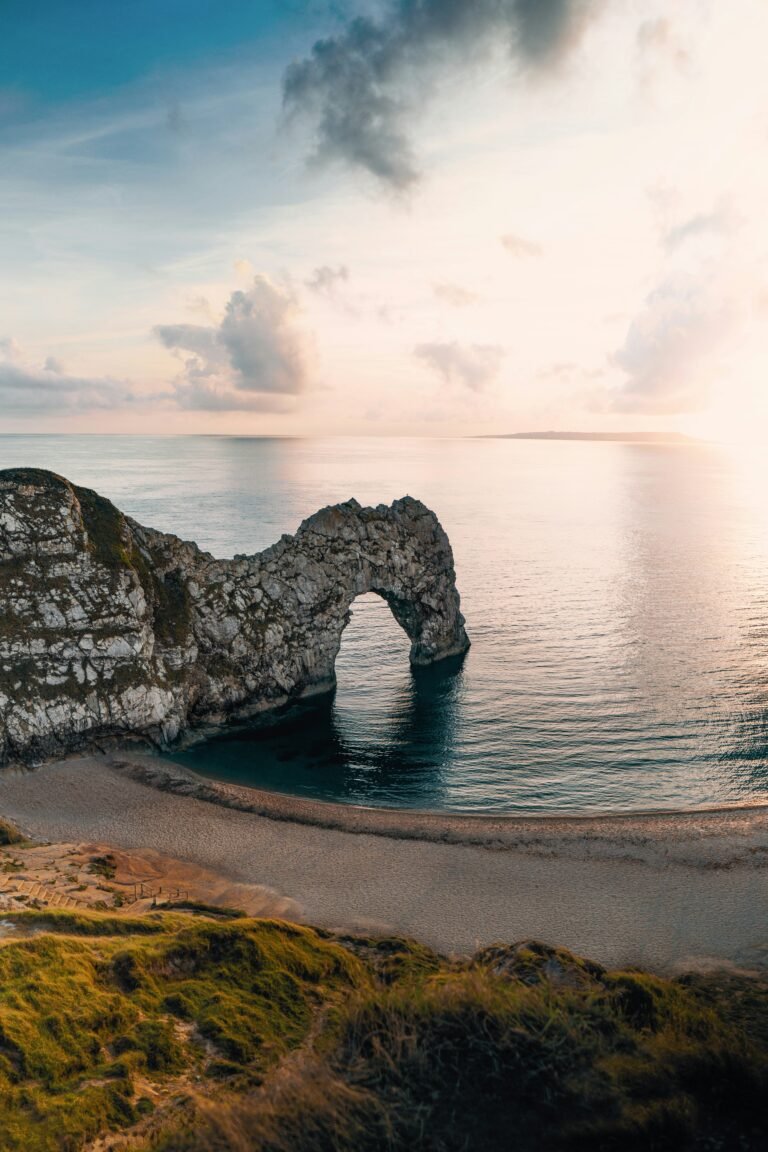
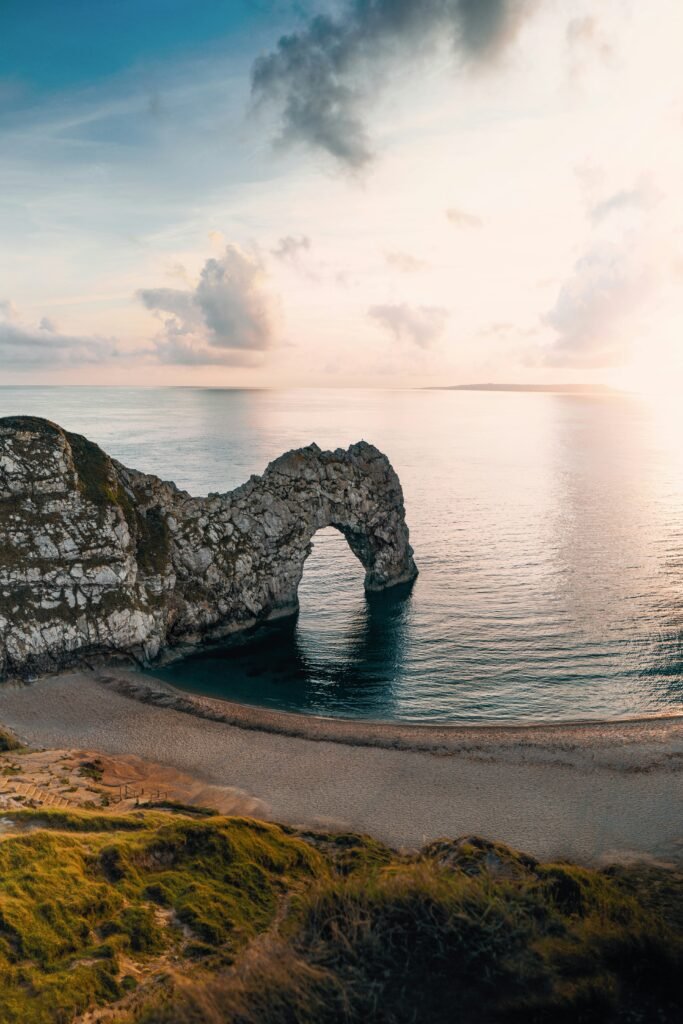
Southwest England offers some of the UK’s most dramatic coastal scenery.
Cornwall provides beaches, cliffs, fishing villages, coastal walks, and seaside towns.
Possible stops include St Ives, Padstow, and sections of the South West Coast Path.
Route 4: North Wales
North Wales is ideal for travelers who enjoy mountains and outdoor activities.
Eryri National Park provides dramatic landscapes and hiking opportunities.
Conwy is another worthwhile stop, particularly for travelers interested in castles and medieval history.
Route 5: Scottish Highlands
The Scottish Highlands are particularly suited to scenic road trips.
Travelers can drive through mountain landscapes, along lochs, and toward remote coastal areas.
The Isle of Skye can be incorporated into a longer Highlands itinerary.
Route 6: Edinburgh to the Highlands
Begin in Edinburgh before heading north.
The route can combine historic cities with mountain landscapes and small towns.
Allow plenty of time because some scenic roads are best experienced slowly.
Route 7: Northern Ireland Coastal Route
Northern Ireland offers spectacular coastal scenery.
The Causeway Coastal Route includes opportunities to visit the Giant’s Causeway and other coastal viewpoints.
Belfast can be used as the starting or ending point.
UK Road Trip Planning Tips
Choose the Right Vehicle
For most routes, a normal car is sufficient.
Before traveling into remote areas, check road conditions and parking arrangements.
Don’t Overpack the Itinerary
A common mistake is planning too many destinations each day.
A road trip becomes more enjoyable when you have time to stop unexpectedly.
Check Parking
Popular villages and attractions may have limited parking during busy periods.
Watch the Weather
UK weather can change quickly, especially in Scotland and mountainous areas.
Drive on the Left
Visitors from countries that drive on the right should take extra care when adapting to UK roads.
Plan Fuel Stops
Remote areas can have fewer fuel stations, particularly in parts of the Highlands.
Example 10-Day UK Road Trip
Days 1–2: London
Days 3–4: Cotswolds
Day 5: Bath
Days 6–7: Cornwall
Day 8: Travel toward North Wales
Day 9: Eryri National Park
Day 10: Return or continue toward another destination
For a Scotland-focused trip, consider creating a separate itinerary rather than attempting to combine every region.
Final Thoughts
The UK is small compared with many countries, but its landscapes are remarkably varied.
A well-planned road trip can take you from major cities to quiet villages, rugged coastlines, mountains, historic castles, and countryside within a relatively short period.
The best road trips leave enough room for unexpected stops.