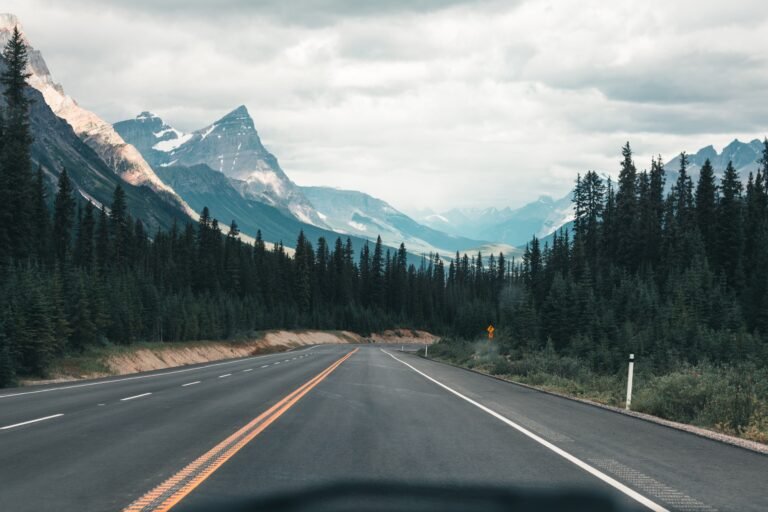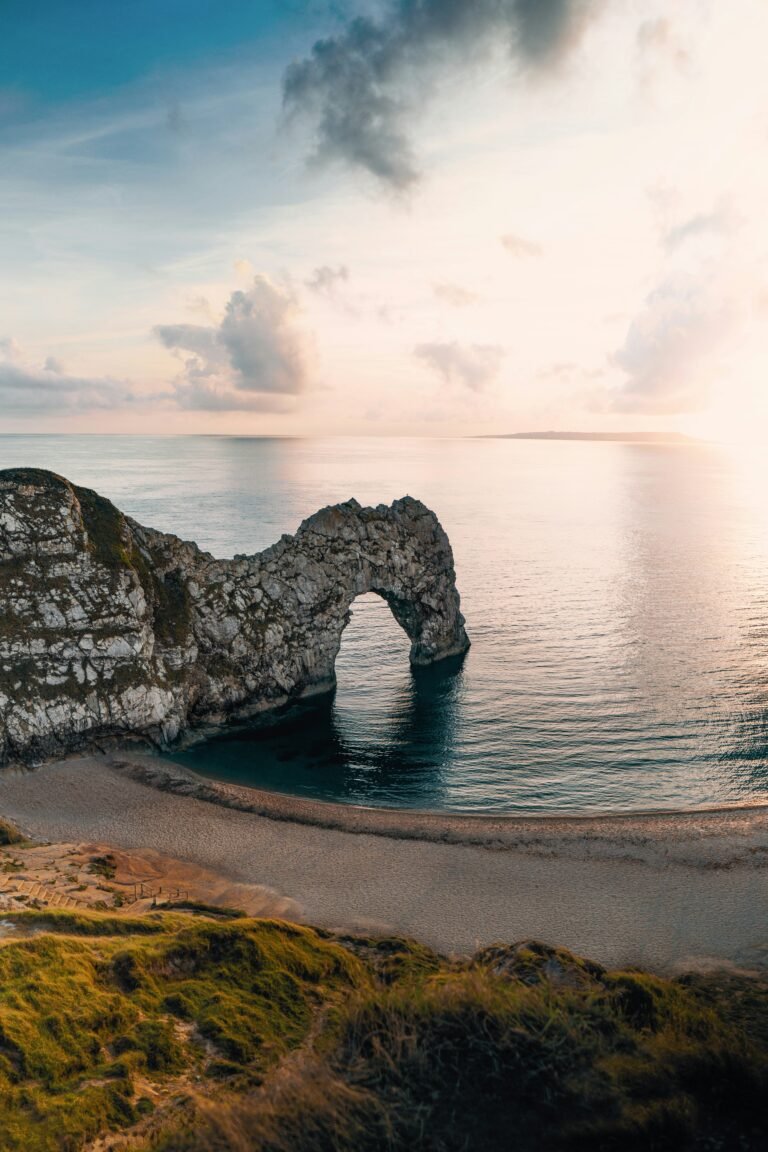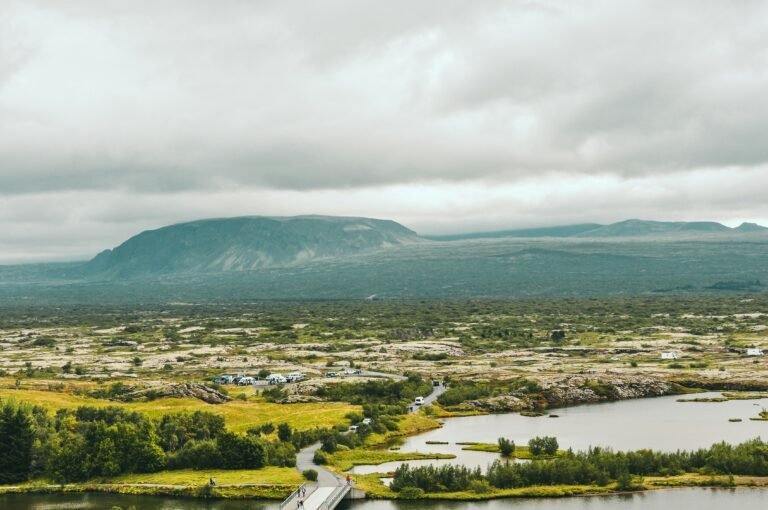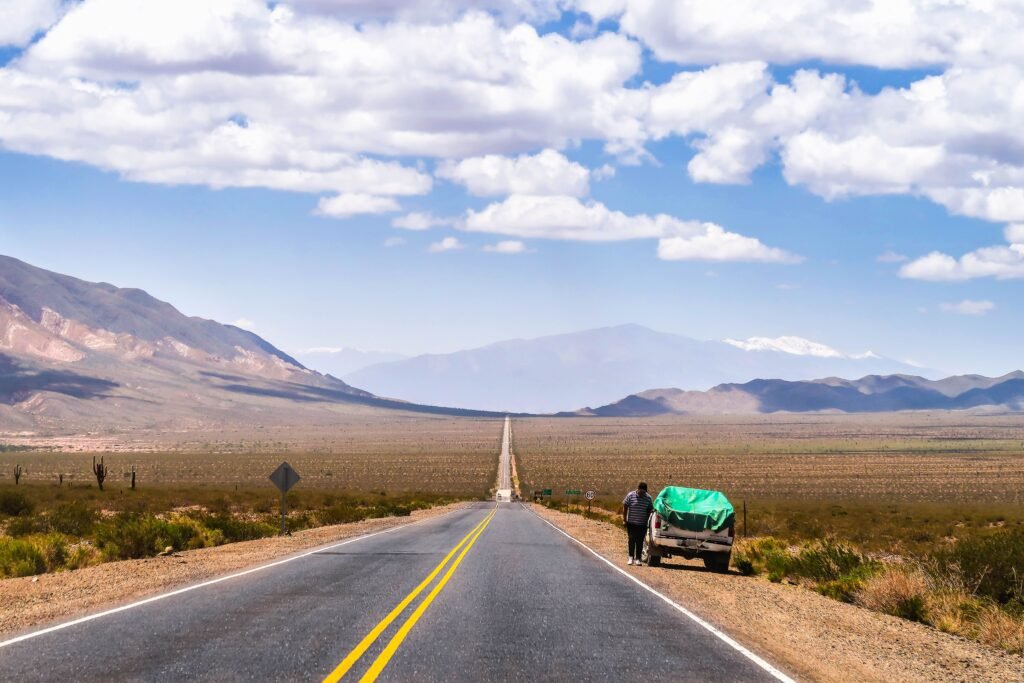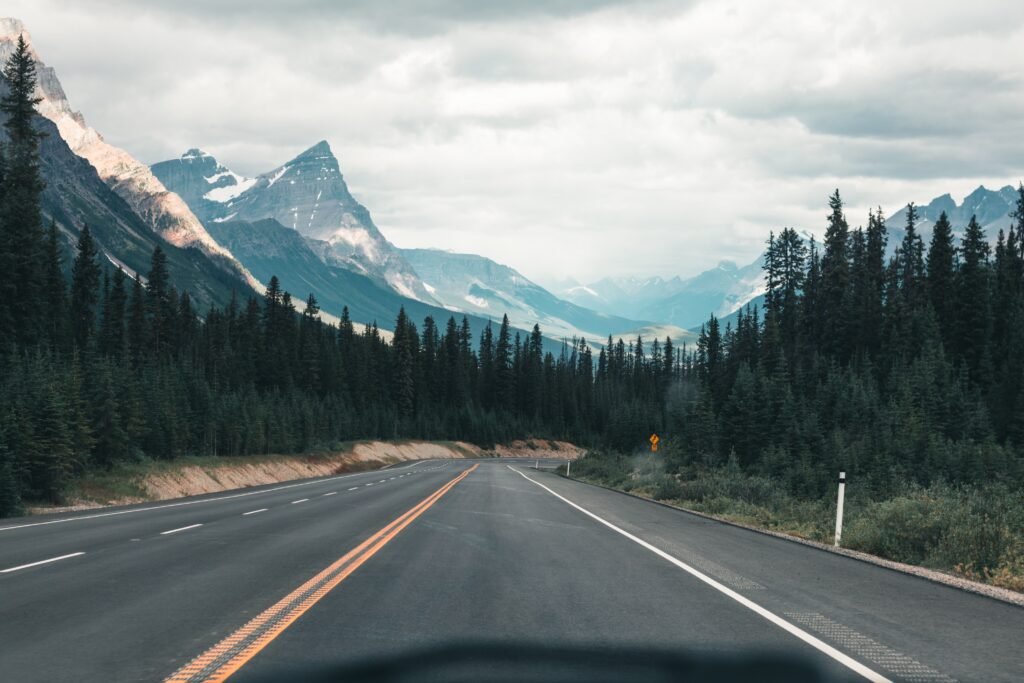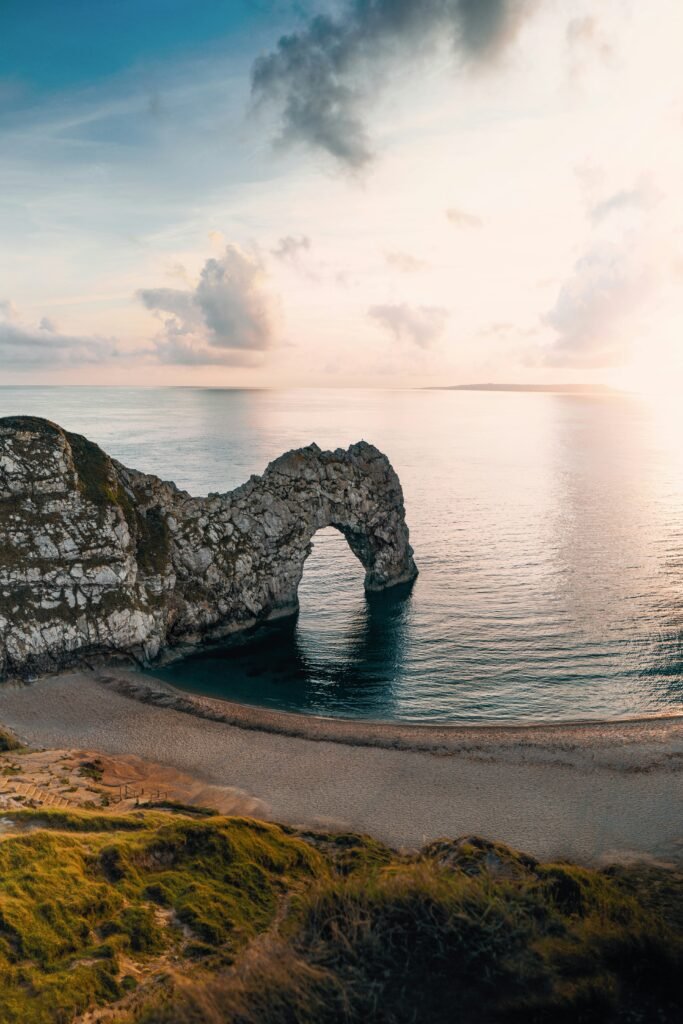

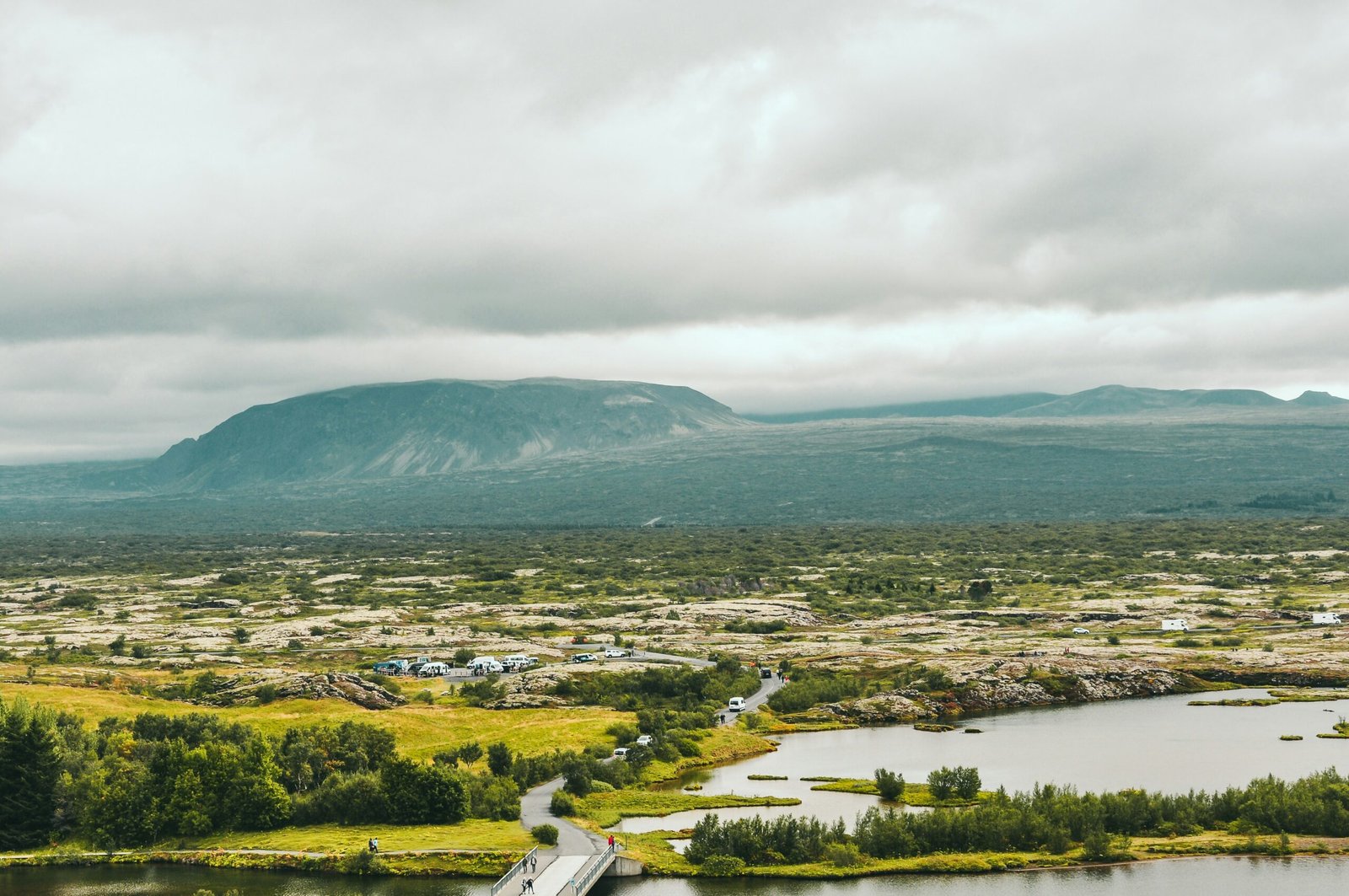
A road trip across North America can be an unforgettable way to experience the continent’s enormous variety.
Instead of staying in one city, travelers can move between mountain ranges, national parks, beaches, forests, deserts, small towns, and major metropolitan areas.
Because North America is so large, however, a successful road trip requires realistic planning. Trying to cross too much territory in a short period can turn a relaxing vacation into hours of driving.
The best approach is to select a specific region or route and allow enough time for stops along the way.
Why Take a North America Road Trip?
Road travel provides flexibility that can be difficult to achieve with flights.
You can:
- Stop at scenic viewpoints.
- Explore small towns.
- Visit national parks.
- Change your itinerary.
- Discover roadside attractions.
- Travel at your own pace.
- Experience different landscapes.
For many travelers, the journey itself becomes as memorable as the destinations.
Route 1: California Coast Road Trip
A classic western route can follow California’s Pacific coastline.
San Francisco
Begin in San Francisco and explore the Golden Gate Bridge, waterfront areas, parks, and historic neighborhoods.
Monterey
Continue south toward Monterey for coastal scenery, marine wildlife, and access to the scenic Big Sur region.
Big Sur
Big Sur is known for rugged cliffs, forests, bridges, and dramatic Pacific Ocean views.
Allow extra time here because the scenery encourages frequent stops.
Santa Barbara
Continue south toward Santa Barbara for beaches, architecture, restaurants, and a more relaxed coastal atmosphere.
Los Angeles
Finish in Los Angeles, where travelers can explore beaches, entertainment districts, museums, and surrounding neighborhoods.
Route 2: Canadian Rockies
A Canadian Rockies road trip can connect destinations such as Calgary, Banff, Lake Louise, and Jasper.
The route offers mountain scenery, lakes, forests, and wildlife.
The Icefields Parkway between Banff and Jasper is particularly famous for its landscapes.
Travelers should check road and weather conditions before departure, particularly outside summer.
Route 3: American Southwest
For desert scenery, consider a route connecting destinations in Arizona, Utah, and Nevada.
Possible stops include:
- Las Vegas
- Zion National Park
- Bryce Canyon
- Grand Canyon
- Monument Valley
- Page
The region offers dramatically different landscapes within relatively manageable driving distances.
Route 4: New England
A northeastern road trip can combine major cities with coastal towns and countryside.
Possible stops include Boston, coastal Maine, New Hampshire, Vermont, and parts of Massachusetts.
Autumn is especially popular because of colorful foliage.
Route 5: Florida
Florida works well for travelers who want beaches, cities, wetlands, and warm weather.
A possible route could include Miami, the Florida Keys, Everglades National Park, and the Gulf Coast.
How Long Should a North America Road Trip Take?
There is no single answer.
A regional trip can work in one to two weeks, while a cross-country journey requires considerably more time.
As a general principle, avoid planning your trip around the maximum number of destinations you can physically reach.
Instead, consider how much time you want to spend actually exploring.
Car Rental Tips
Before renting a vehicle:
- Compare rental policies.
- Check mileage restrictions.
- Understand insurance coverage.
- Confirm whether another driver can use the vehicle.
- Check fuel policies.
- Inspect the vehicle before departure.
- Save emergency and rental-company contact details.
Budgeting for a Road Trip
Your major expenses may include:
- Vehicle rental
- Fuel
- Accommodation
- Food
- Parking
- Tolls
- National park fees
- Activities
Remote destinations can also have higher accommodation and fuel costs.
Road Safety
Always follow local speed limits and road regulations.
Take regular breaks on long drives and avoid driving when tired.
Mountain roads, desert areas, winter conditions, and wildlife crossings may require additional caution.
Final Thoughts
A North American road trip is less about checking destinations off a list and more about experiencing the landscape between them.
Choose one region, build a realistic itinerary, and leave enough flexibility for unexpected stops.
Featured Image Prompt:
Epic North American road trip scene with winding highway through mountains, desert, forests and coastline, road-trip vehicle, cinematic golden-hour lighting, realistic premium travel photography.
YouTube Video Title:
The Ultimate North America Road Trip | Routes, Stops & Travel Tips
2. Europe
Europe by Train: A Beginner’s Guide to Planning a European Rail Trip
Focus Keyword: Europe by train
Secondary Keywords: European train travel, Europe rail trip, train travel in Europe, European rail itinerary
Traveling around Europe by train can be an excellent way to experience multiple destinations without spending much of your vacation inside airports.
Rail networks connect many major European cities, while scenic routes can transform transportation into part of the travel experience.
For first-time rail travelers, however, the number of routes, operators, ticket types, and reservations can seem confusing.
With a little planning, the process becomes much easier.
Why Travel Around Europe by Train?
Train travel has several advantages.
City-Center Connections
Many European railway stations are located close to city centers.
This can save time compared with airports located outside major cities.
Scenic Journeys
Some rail journeys pass through mountains, countryside, rivers, and coastlines.
Comfortable Travel
Travelers can often walk around, read, work, or enjoy scenery during the journey.
Easy Multi-City Trips
A rail itinerary can connect several destinations without requiring separate flights.
Popular European Rail Routes
Paris to Amsterdam
This route connects two major European cities and can be convenient for travelers exploring France and the Netherlands.
Paris to Brussels
A short journey can connect France with Belgium.
Brussels can also serve as a gateway to other Belgian cities.
Vienna to Budapest
The journey connects two historic Central European capitals.
Both cities offer architecture, museums, food, and cultural attractions.
Zurich to Lucerne
Switzerland provides some of Europe’s most scenic railway experiences.
Travelers can combine major cities with mountain and lake destinations.
Rome to Florence
Italy’s major cities are well connected by rail.
This makes it practical to combine historic destinations without renting a car.
London to Edinburgh
Travelers can connect England and Scotland by rail while enjoying changing landscapes along the way.
Rail Pass or Individual Tickets?
This depends on your itinerary.
A rail pass can be useful for travelers planning multiple journeys over a defined period.
Individual tickets may make more sense when you only have a few journeys.
Compare the total cost before purchasing.
Do You Need Reservations?
Some European trains require reservations, while others allow passengers to board with a valid ticket.
High-speed and international trains may have different requirements from regional services.
Always check the specific train operator’s rules before traveling.
How to Pack for Train Travel
Keep important items accessible:
- Passport
- Tickets
- Phone
- Charger
- Water
- Snacks
- Headphones
- Small travel bag
Avoid carrying luggage that is too large for you to comfortably move through stations.
Train Station Tips
Arrive early enough to find your platform.
Large stations can be confusing, particularly when you have never visited the city before.
Check:
- Platform number
- Departure time
- Train number
- Destination
- Coach number
- Seat number
Remember that platform information can sometimes change.
Building a European Rail Itinerary
Avoid moving cities every single day.
For example, a two-week journey might include:
Days 1–4: Paris
Days 5–7: Amsterdam
Days 8–10: Berlin
Days 11–14: Prague
This gives you enough time to experience each destination instead of spending most of the trip packing and traveling.
Final Thoughts
Traveling Europe by train can make transportation part of the adventure.
The most enjoyable rail trips are usually those that balance famous cities with enough time to explore them properly.
Before booking, compare routes, travel times, reservations, and total costs.