
Africa contains an extraordinary variety of natural environments.
The continent includes vast deserts, tropical forests, enormous waterfalls, mountain ranges, volcanic landscapes, savannas, wetlands, and coastlines.
For travelers who want to experience nature, these destinations provide a starting point for exploring Africa’s geographic diversity.
1. Victoria Falls
Victoria Falls lies along the Zambezi River between Zambia and Zimbabwe.
The enormous waterfall system is one of the continent’s most famous natural attractions.
2. Mount Kilimanjaro
Tanzania’s Mount Kilimanjaro is Africa’s highest mountain.
Its snow-capped summit rises above surrounding landscapes and attracts trekkers from around the world.
3. Okavango Delta
Botswana’s Okavango Delta is a vast wetland ecosystem.
Water channels, islands, grasslands, and wildlife create a landscape that changes with seasonal conditions.
4. Sahara Desert
The Sahara stretches across much of North Africa.
Its enormous scale includes sand seas, rocky landscapes, mountains, oases, and remote communities.
5. Namib Desert
The Namib is famous for dramatic dunes and extremely old desert landscapes.
The area around Sossusvlei is particularly recognizable for enormous red-orange dunes.
6. Ngorongoro Crater
Tanzania’s Ngorongoro region features a huge volcanic crater containing diverse ecosystems.
The surrounding conservation area also provides opportunities for wildlife and cultural experiences.
7. Table Mountain
Table Mountain overlooks Cape Town and provides panoramic views across the city and coastline.
Hiking and cable-car experiences provide different ways to reach the mountain.
8. Blyde River Canyon
South Africa’s Blyde River Canyon features cliffs, viewpoints, rivers, and dramatic mountain scenery.
It can be incorporated into a wider journey through Mpumalanga.
9. Danakil Depression
The Danakil Depression in Ethiopia is known for extreme landscapes, salt formations, volcanic activity, and high temperatures.
Traveling there requires careful preparation and experienced local support.
10. Simien Mountains
Ethiopia’s Simien Mountains contain dramatic cliffs, valleys, and highland landscapes.
The region is also known for distinctive wildlife.
11. Virunga Mountains
The Virunga volcanic region spans parts of Central Africa.
Its mountain landscapes and protected ecosystems are particularly important for conservation.
12. Lake Malawi
Lake Malawi is one of Africa’s major freshwater lakes.
The surrounding region provides opportunities for water activities, relaxation, and exploration.
13. Drakensberg Mountains
The Drakensberg forms one of southern Africa’s most impressive mountain regions.
Hiking routes, cliffs, valleys, and waterfalls provide opportunities for outdoor travel.
14. Skeleton Coast
Namibia’s Skeleton Coast is famous for remote coastline, desert scenery, fog, and shipwreck history.
Its isolated environment creates a very different experience from traditional beach destinations.
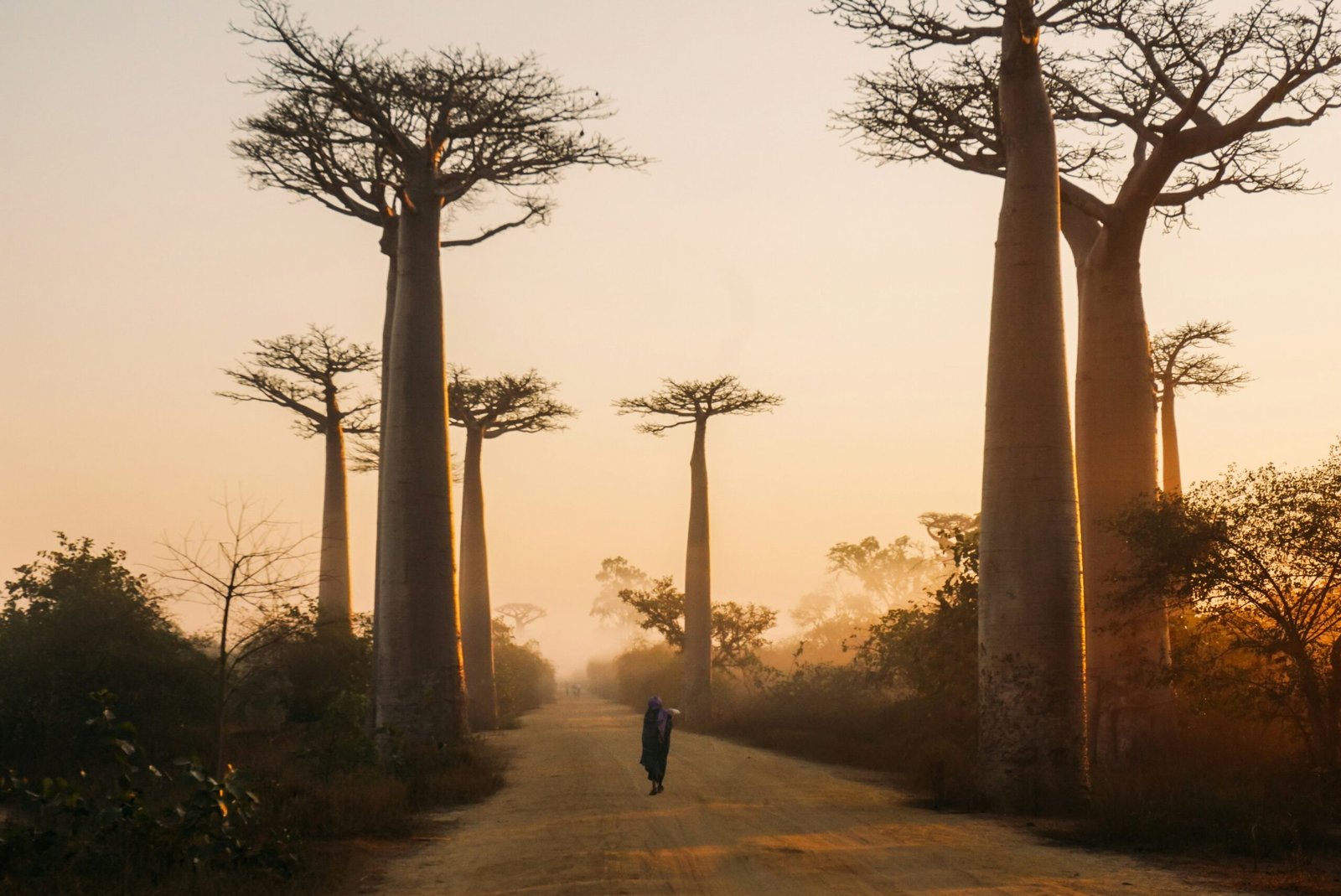
15. Avenue of the Baobabs
Madagascar’s Avenue of the Baobabs is known for enormous baobab trees lining a road.
The trees create one of the island’s most recognizable landscapes.
Protecting Africa’s Natural Landscapes
Travelers can contribute to conservation by:
- Following park regulations.
- Avoiding wildlife disturbance.
- Using responsible tour operators.
- Reducing waste.
- Respecting local communities.
- Staying on designated routes.
- Supporting legitimate conservation initiatives.
Final Thoughts
Africa’s natural wonders extend far beyond traditional safari landscapes.
From mountains and waterfalls to deserts, forests, wetlands, and unique island ecosystems, the continent provides extraordinary variety for nature-focused travelers.