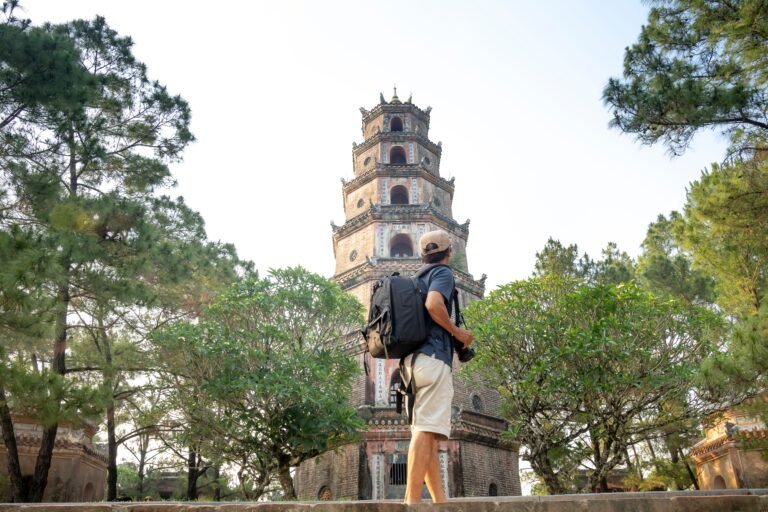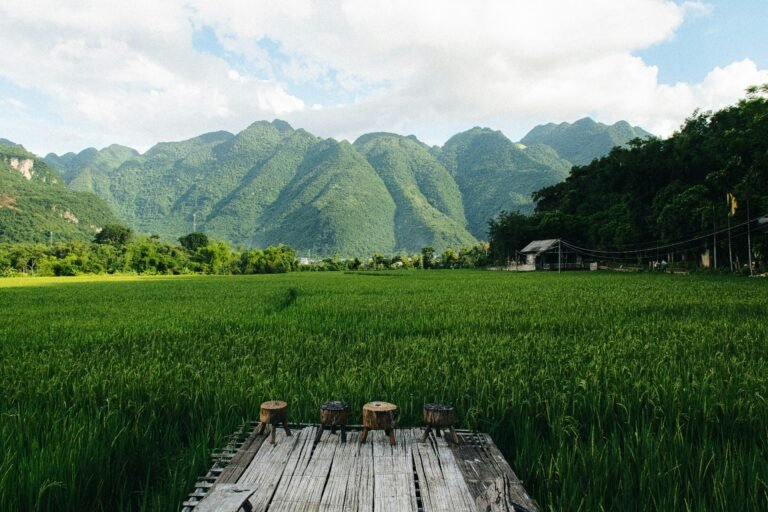

Asia is one of the world’s most diverse travel regions. From modern megacities and ancient temples to tropical islands, mountain villages, deserts, and historic trading centers, travelers have countless possibilities.
But how much does an Asian trip actually cost?
There is no single answer. A luxury vacation in one destination can cost more than several weeks of budget travel somewhere else.
A useful Asia travel budget therefore starts with the type of trip you want to create.
Decide What Kind of Traveler You Are
Before calculating your budget, determine your travel style.
You might be:
- A budget backpacker
- A mid-range traveler
- A family traveler
- A luxury traveler
- A slow traveler
- An adventure traveler
Your accommodation, transportation, food, and activity choices will depend heavily on this.
Accommodation Costs
Asia offers a broad range of accommodation.
Depending on the destination, you can find:
- Hostels
- Guesthouses
- Budget hotels
- Boutique hotels
- Apartments
- Resorts
- Luxury hotels
Travelers staying longer may also find monthly or weekly rates.
Transportation
Transportation costs vary enormously across Asia.
Options can include:
- Metro systems
- Local buses
- Trains
- Ferries
- Domestic flights
- Long-distance buses
- Ride-hailing services
- Taxis
Use public transportation when practical, especially in cities with extensive networks.
Food Budget
Food can be one of the most flexible categories.
Street food, local markets, casual restaurants, and food courts can provide affordable options.
You don’t have to eat at expensive restaurants every day to experience excellent cuisine.
Try a combination of:
- Local breakfasts
- Market meals
- Casual restaurants
- Food halls
- Occasional specialty dining
Attractions and Activities
Some attractions are free, while others charge admission.
Make a list of the experiences you consider essential.
For example:
- Historical sites
- Temples
- Museums
- National parks
- Diving
- Trekking
- Cooking classes
- Cultural performances
Prioritize experiences rather than paying for every available attraction.
Consider Longer Stays
Longer stays can sometimes reduce your average daily cost.
If you stay in one city for a week instead of two nights, you may spend less on transportation and accommodation changes.
You also get more time to discover affordable local restaurants and markets.
Travel During Less Busy Periods
Peak seasons can increase hotel and flight prices.
Shoulder and low seasons may offer better deals, although weather conditions need to be considered carefully.
Different parts of Asia have different monsoon, winter, and summer patterns.
Create an Emergency Fund
Your travel budget should include money that you don’t intend to spend unless necessary.
Unexpected expenses can include:
- Medical needs
- Transportation changes
- Lost items
- Accommodation changes
- Weather disruptions
- Emergency travel
Avoid Unnecessary Currency Fees
International travelers should understand their bank’s foreign transaction and ATM policies.
Compare payment options and keep a backup method available.
Frequently Asked Questions
How much money do I need to travel around Asia?
There is no fixed amount. Costs depend on the countries, cities, travel duration, accommodation level, transportation, and activities.
Is Asia good for budget travelers?
Many Asian destinations offer a wide range of budget accommodation, food, and transportation options, although prices vary substantially.
What is usually the biggest expense?
For many travelers, accommodation and long-distance transportation are major expenses. International flights can also represent a significant portion of the overall budget.
Conclusion
An effective Asia travel budget should be flexible enough to accommodate different destinations and travel styles.
Choose your route carefully, compare accommodation and transportation, eat locally, and reserve part of your budget for experiences that make the trip memorable.