
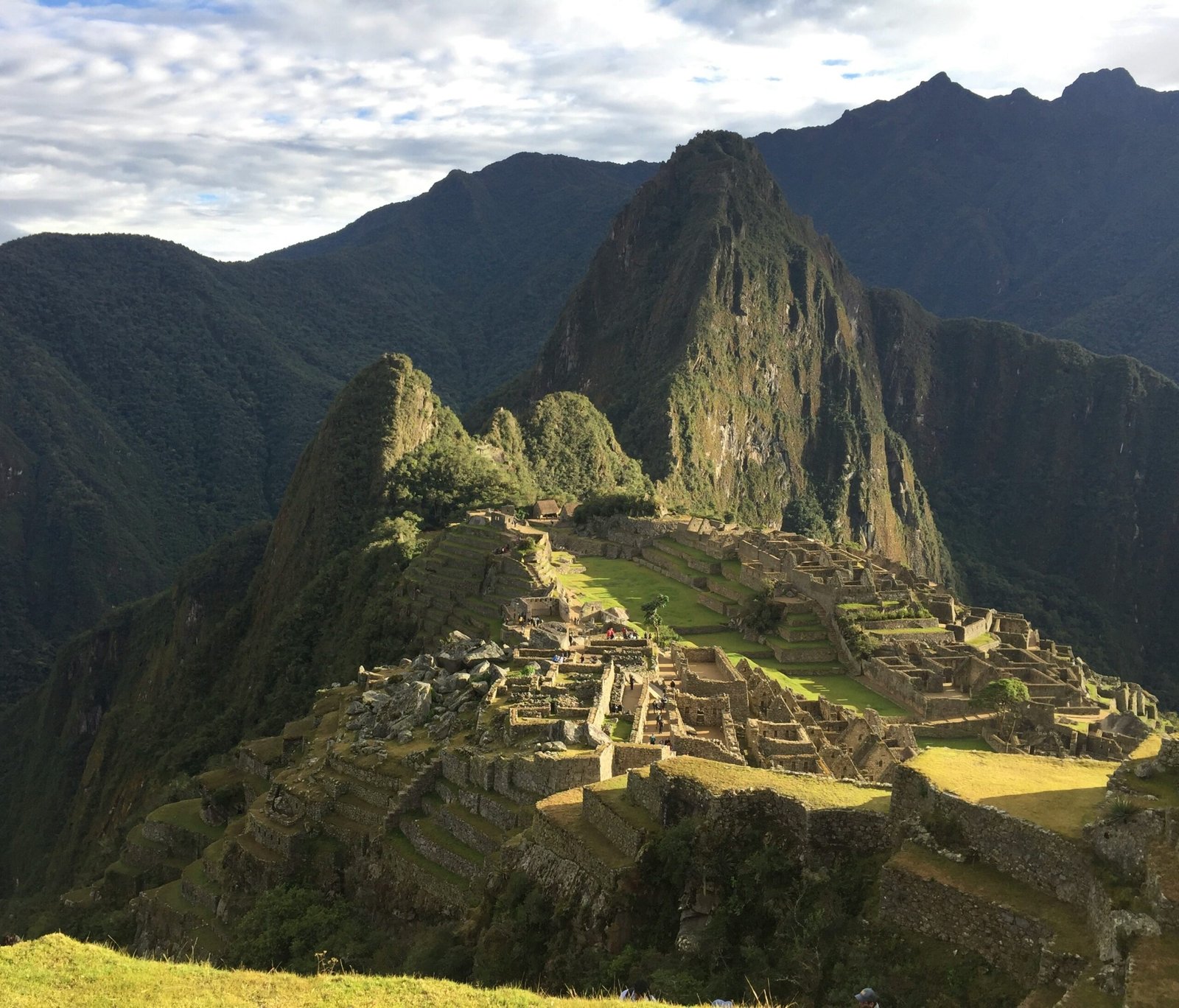
South America’s cities reflect the continent’s extraordinary cultural and geographical diversity.
Historic colonial centers, modern neighborhoods, mountain cities, coastal destinations, and colorful communities provide very different travel experiences.
Here are 12 cities worth exploring.
1. Buenos Aires, Argentina
Buenos Aires combines European-influenced architecture with distinctly Argentine culture.
Travelers can explore neighborhoods such as Palermo, San Telmo, and Recoleta.
The city is also famous for tango, cafés, restaurants, and a strong arts scene.
2. Rio de Janeiro, Brazil
Rio combines mountains, beaches, forests, and a huge urban environment.
Copacabana and Ipanema are famous coastal areas, while Sugarloaf Mountain and Christ the Redeemer offer spectacular views.
3. Cartagena, Colombia
Cartagena’s historic walled center contains colorful buildings, plazas, churches, and narrow streets.
The Caribbean setting adds beaches and coastal experiences to the city’s cultural attractions.
4. Cusco, Peru
Cusco is surrounded by the Andes and provides access to some of Peru’s most important cultural destinations.
Its historic center contains architecture reflecting Indigenous and Spanish influences.
5. Santiago, Chile
Santiago sits in a valley surrounded by mountains.
The city offers museums, restaurants, markets, parks, and viewpoints, while mountain and wine destinations can be reached from the wider region.
6. Medellín, Colombia
Medellín is surrounded by mountains and has developed into an important cultural and urban destination.
Visitors can explore museums, public spaces, restaurants, and neighborhoods throughout the city.
7. Lima, Peru
Lima sits along Peru’s Pacific coast.
The city combines historic areas with modern neighborhoods and has developed a particularly strong reputation as a culinary destination.
8. Quito, Ecuador
Quito’s historic center contains churches, plazas, museums, and colonial architecture.
The city sits high in the Andes, so travelers should allow time to adjust to the altitude.
9. La Paz, Bolivia
La Paz is located at high elevation within a dramatic Andean setting.
Its steep streets, cable-car network, markets, and surrounding mountains create a distinctive urban experience.
10. Montevideo, Uruguay
Montevideo offers a more relaxed coastal atmosphere.
Visitors can explore the historic center, waterfront, markets, cafés, and neighborhoods along the Río de la Plata.
11. Salvador, Brazil
Salvador is known for Afro-Brazilian cultural heritage, colorful architecture, music, food, and coastal scenery.
The historic Pelourinho district is one of the city’s best-known areas.
12. Valparaíso, Chile
Valparaíso is famous for steep hills, colorful buildings, street art, and Pacific Ocean views.
The city’s unusual geography makes exploring its different neighborhoods part of the experience.
Tips for Exploring South American Cities
South American cities vary significantly in climate, elevation, transportation, and local conditions.
Before visiting:
- Research neighborhood locations.
- Understand local transportation.
- Take altitude seriously in high-elevation cities.
- Keep valuables secure.
- Learn useful Spanish or Portuguese phrases.
- Research local customs.
- Leave enough time for rest between destinations.
Final Thoughts
South America’s cities are much more than gateways to famous natural attractions.
They offer their own stories through food, architecture, music, history, art, and everyday life.
A city-focused itinerary can therefore provide a completely different way to experience the continent.