
North America’s national parks protect some of the continent’s most extraordinary landscapes.
From enormous mountain ranges and glaciers to deserts, forests, waterfalls, canyons, and wildlife habitats, these protected areas provide opportunities to experience nature on a remarkable scale.
Here are 15 national parks and protected landscapes worth discovering.
1. Banff National Park, Canada
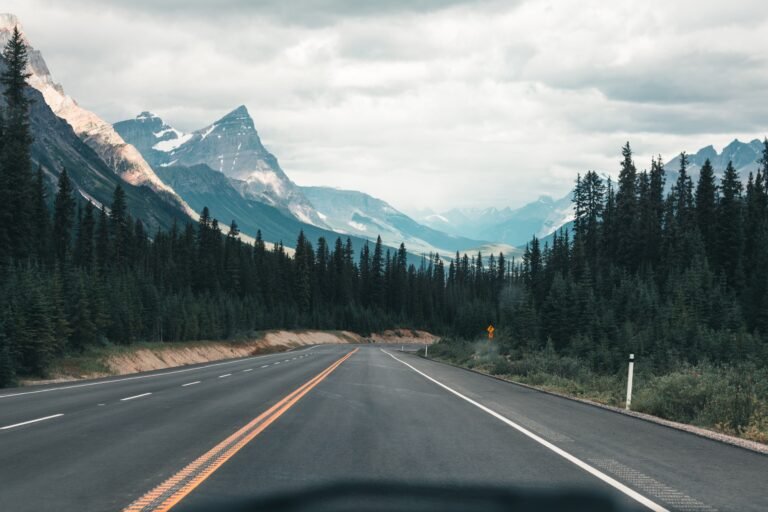
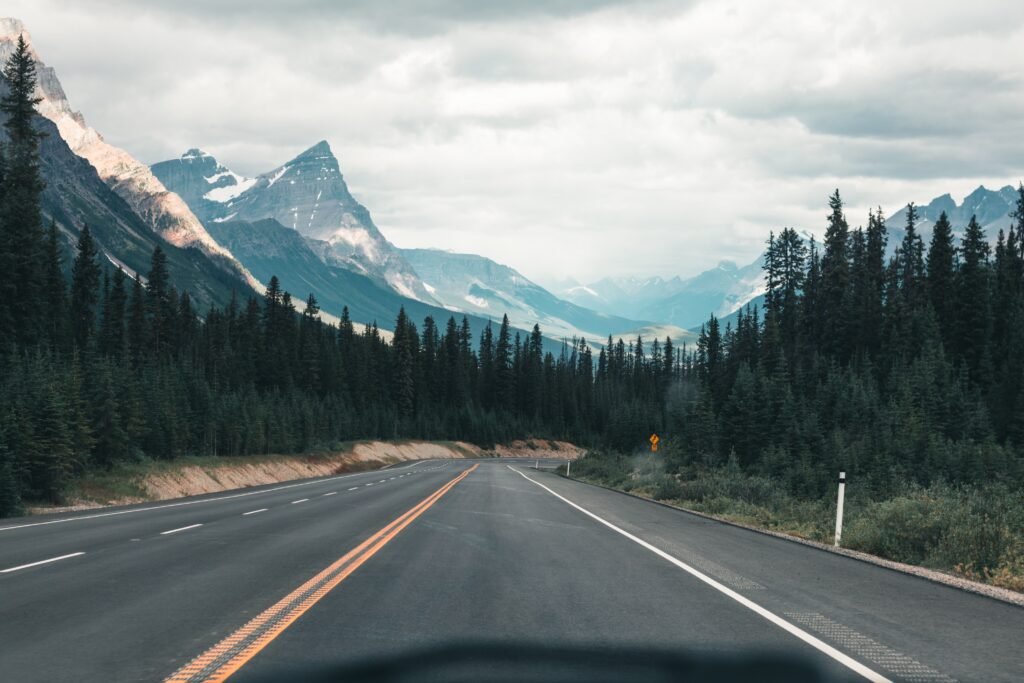
Banff is famous for its Rocky Mountain scenery, turquoise-colored lakes, alpine environments, and hiking trails.
Lake Louise and the surrounding mountain landscape are among the area’s best-known sights.
2. Jasper National Park, Canada
Jasper offers vast mountain scenery, forests, lakes, and opportunities for wildlife viewing.
The park’s size makes it particularly attractive to travelers who want a feeling of space and wilderness.
3. Yellowstone National Park, United States
Yellowstone is famous for geothermal features, including geysers, hot springs, and colorful thermal areas.
The park also contains forests, lakes, rivers, and wildlife habitats.
4. Yosemite National Park, United States
Yosemite is known for granite cliffs, waterfalls, giant trees, and mountain landscapes.
Yosemite Valley provides some of the park’s most recognizable views.
5. Grand Canyon National Park, United States
The Grand Canyon stretches across an enormous landscape carved by the Colorado River.
Visitors can explore viewpoints along the rim or take on longer hiking adventures with careful preparation.
6. Zion National Park, United States
Zion combines dramatic canyon walls with hiking trails and desert scenery.
Its narrow canyon environments and towering sandstone formations create some of the park’s most memorable landscapes.
7. Rocky Mountain National Park, United States
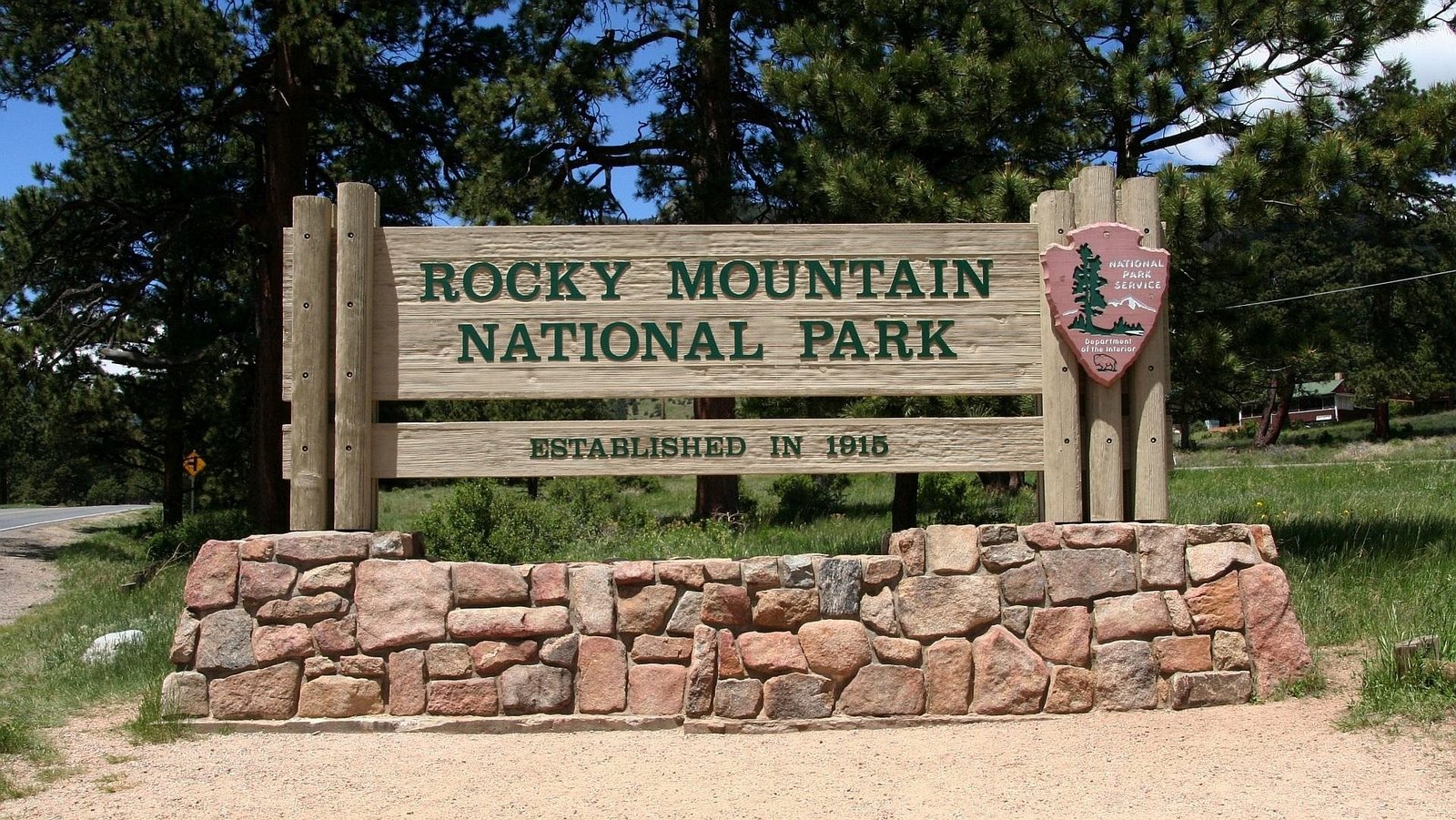
Located in Colorado, Rocky Mountain National Park features high mountain peaks, alpine environments, forests, and scenic roads.
It is particularly attractive to hikers and travelers interested in mountain scenery.
8. Great Smoky Mountains National Park, United States
The Great Smoky Mountains are known for forested mountains, misty valleys, streams, and rich biodiversity.
The park also has a strong cultural history connected to communities that lived in the region.
9. Acadia National Park, United States
Located in Maine, Acadia combines rocky coastlines, forests, mountains, and ocean views.
Its relatively accessible landscapes make it a popular destination for travelers exploring the northeastern United States.
10. Glacier National Park, United States
Montana’s Glacier National Park features dramatic mountain landscapes, alpine lakes, forests, and scenic roads.
The park is particularly known for its mountain scenery and opportunities for hiking.
11. Olympic National Park, United States
Olympic offers remarkable ecological variety.
Travelers can encounter coastal environments, temperate rainforest, mountains, and lakes within the same park.
12. Joshua Tree National Park, United States
Joshua Tree presents a very different landscape.
Desert environments, unusual rock formations, and distinctive Joshua trees create an atmosphere unlike the mountain parks farther north.
13. Arches National Park, United States
Utah’s Arches National Park contains thousands of natural sandstone formations, including its famous natural arches.
Sunrise and sunset can create dramatic conditions for landscape photography.
14. Bryce Canyon National Park, United States
Bryce Canyon is known for its unusual hoodoo rock formations.
The amphitheater provides a spectacular viewpoint over the landscape, while trails allow visitors to explore below the rim.
15. Costa Rica’s Protected Natural Areas
Costa Rica is renowned for protecting large areas of rainforest, volcanic landscapes, and coastal ecosystems.
While its protected areas operate under a different national system than the U.S. National Park Service, they are essential destinations for travelers interested in tropical biodiversity.
How to Plan a National Park Trip
Before visiting a park, research:
- Entrance requirements
- Seasonal conditions
- Road closures
- Accommodation
- Trail difficulty
- Weather
- Wildlife guidelines
- Food and water availability
Large parks can take much longer to explore than expected.
Responsible Travel
National parks are protected for future generations.
Visitors should stay on designated trails, avoid feeding wildlife, carry out waste, respect closures, and follow local regulations.
Final Thoughts
The national parks in North America demonstrate just how diverse the continent can be.
Whether you prefer mountains, deserts, forests, coastlines, or canyons, there is a protected landscape waiting to be explored.