
Traveling across North America can seem expensive, especially when you think about flights, hotels, rental cars, attractions, and food. However, a well-planned trip does not have to require a huge budget.
North America offers an enormous variety of travel experiences, from major cities and national parks to scenic highways, coastal towns, historic communities, and outdoor destinations. The key to keeping costs under control is choosing your destinations carefully and planning transportation, accommodation, meals, and activities before you leave.
Whether you are planning a short vacation or a longer multi-destination adventure, these practical tips can help you travel across North America on a budget.
Choose Your Destinations Carefully
North America covers a huge area, so trying to visit too many places can quickly increase transportation costs.
Instead of attempting to cover the entire continent, choose a region and explore it thoroughly.
For example, travelers might focus on:
- The western United States and Canadian Rockies
- California and the Pacific Northwest
- Eastern Canada and the northeastern United States
- Mexico’s major cultural destinations
- The southern United States
- Central America and the Caribbean side of North America
A slower itinerary can also give you more time to experience each destination.
Travel During the Shoulder Season
One of the simplest ways to reduce travel costs is to avoid the busiest periods.
Shoulder seasons generally fall between the main high and low seasons. Depending on the destination, this can mean spring or autumn.
During these periods, you may find:
- Lower accommodation rates
- More affordable flights
- Smaller crowds
- Easier restaurant reservations
- Better availability at popular attractions
Always check local seasonal conditions before booking because weather patterns differ considerably across North America.
Compare Transportation Options
Transportation can become one of the largest expenses on a multi-destination trip.
Compare several options before booking.
Flights
Flying can save time when traveling between distant cities. Look at nearby airports as well as your primary destination airport because fares can vary considerably.
Trains
Rail travel can be useful for certain regional routes, particularly in areas with established passenger rail networks.
Buses
Long-distance buses can sometimes offer lower fares than flights, particularly for shorter intercity journeys.
Rental Cars
A rental car can be valuable when exploring rural areas or national parks, but calculate the full cost.
Remember to consider:
- Rental fees
- Fuel
- Parking
- Insurance
- Tolls
- One-way drop-off fees
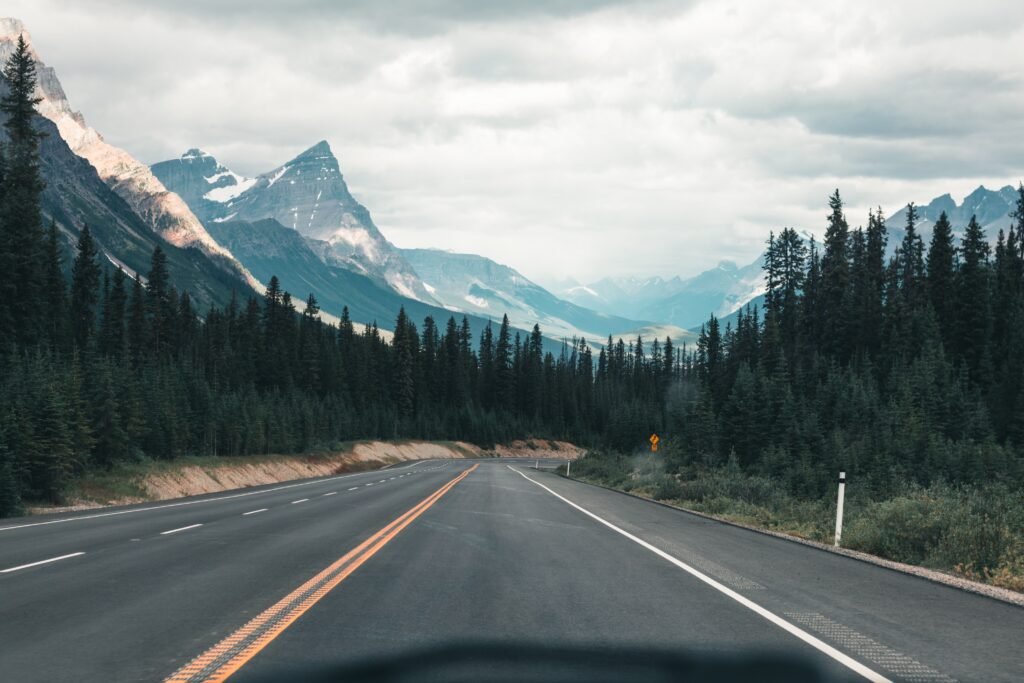
Consider a Road Trip
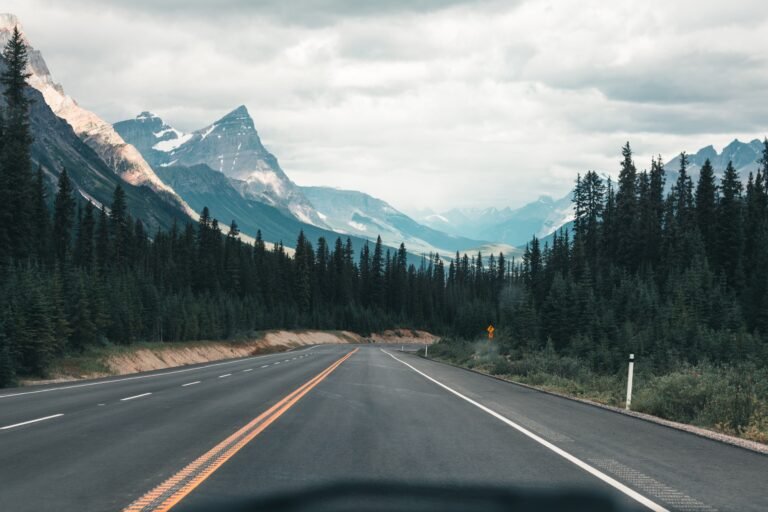
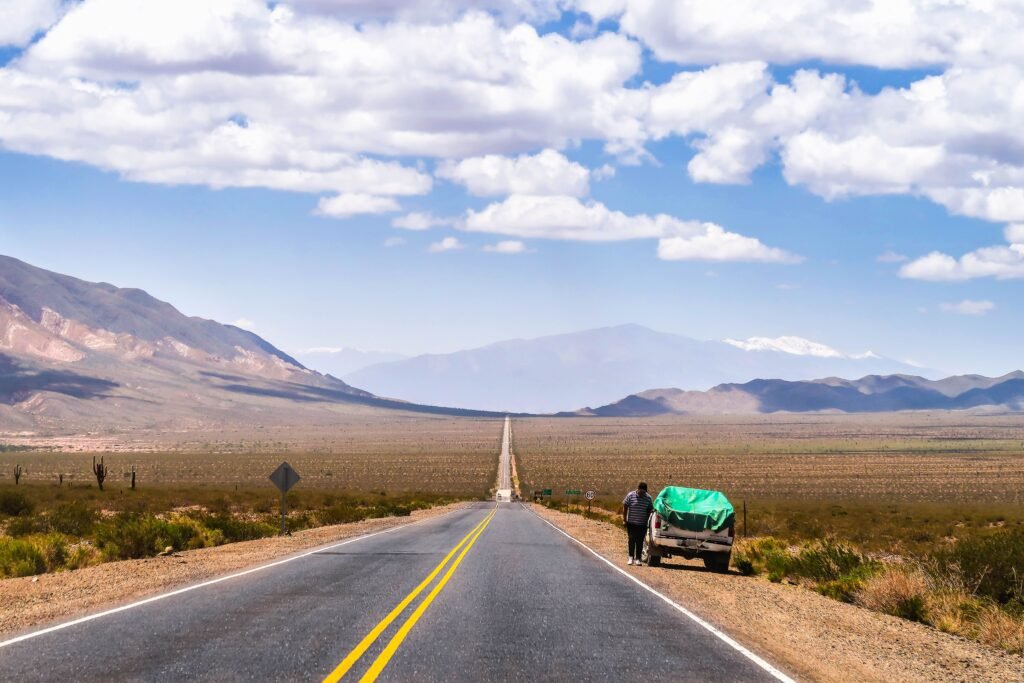
A road trip can be an economical option when traveling with several people.
Instead of paying for multiple plane tickets, travelers can share vehicle and fuel expenses.
Road trips also provide flexibility to stop at smaller towns, viewpoints, parks, and attractions along the route.
However, don’t assume every road trip is automatically cheaper. Calculate the total driving distance and associated expenses before deciding.
Save Money on Accommodation
Hotels are not your only option.
Depending on the destination, travelers can consider:
- Hostels
- Budget hotels
- Guesthouses
- Vacation rentals
- Campgrounds
- Cabins
- Extended-stay accommodations
If you are staying for several nights, compare weekly or longer-stay rates.
Location also matters. A hotel slightly outside the tourist center may cost less while still providing convenient access to public transportation.
Use Public Transportation in Major Cities
Driving and parking in major cities can be expensive and inconvenient.
Cities such as New York, Toronto, Chicago, Montreal, Vancouver, and Mexico City have public transportation systems that can help travelers move around without renting a vehicle.
Before arriving, research:
- Daily passes
- Weekly passes
- Airport transportation
- Subway or metro systems
- Bus networks
- Walking routes
Eat Like a Local
Dining at restaurants near major tourist attractions can quickly increase your daily expenses.
Consider mixing restaurant meals with more affordable options such as:
- Local markets
- Food halls
- Bakeries
- Supermarkets
- Food trucks
- Casual neighborhood restaurants
If your accommodation includes a kitchen, preparing some meals yourself can reduce food costs further.
Look for Free Attractions
You don’t need to spend money every day to have an enjoyable trip.
Many North American destinations offer free or inexpensive experiences, including:
- Public parks
- Hiking trails
- Beaches
- Scenic viewpoints
- Historic neighborhoods
- Museums with free-entry periods
- Public markets
- Walking tours
- Waterfront areas
Research your destination before arrival and create a list of free activities.
Create a Daily Travel Budget
Before your trip, divide your expected spending into categories.
For example:
| Category | Suggested Planning |
|---|---|
| Accommodation | Set a nightly maximum |
| Transportation | Estimate daily/intercity costs |
| Food | Create a daily allowance |
| Activities | Reserve a separate amount |
| Emergency | Keep a backup fund |
A budget does not mean refusing every enjoyable experience. Instead, it helps you decide where your money matters most.
Book Major Expenses Early
Flights, accommodation, rental cars, and popular attractions can become more expensive closer to travel dates.
Once your itinerary is reasonably certain, compare prices and consider booking major expenses in advance.
At the same time, check cancellation policies before paying.
Don’t Build an Overloaded Itinerary
Trying to visit five cities in one week may sound exciting, but constant transportation can increase your expenses.
A slower trip often means:
- Fewer transportation costs
- Less time spent traveling
- More opportunities to explore
- Less stress
- Better value from accommodation
Choose experiences rather than simply collecting destinations.
Pack Smart
Baggage fees can add unexpected costs to flights.
Pack clothing that can be combined into multiple outfits and consider doing laundry during longer trips.
Useful items include:
- Reusable water bottle
- Comfortable walking shoes
- Lightweight day bag
- Travel adapter
- Weather-appropriate layers
- Basic medication and toiletries
Frequently Asked Questions
Is North America expensive to travel through?
Costs vary greatly by country, city, season, and travel style. Major cities and popular tourist destinations can be expensive, while smaller towns, camping areas, and less crowded destinations can offer more affordable options.
What is the cheapest way to travel around North America?
There is no single cheapest option for every itinerary. Buses, trains, shared rental cars, and carefully booked flights can each make sense depending on distance and group size.
How can I save money on food?
Shop at supermarkets, use local markets, choose casual restaurants, and prepare some meals yourself when possible.
Is a North American road trip affordable?
It can be, particularly for groups sharing vehicle and fuel expenses. However, fuel, parking, accommodation, tolls, and rental fees should all be included in your calculations.
Conclusion
Learning how to travel across North America on a budget is mostly about making thoughtful decisions before and during your trip. Choose destinations carefully, compare transportation, travel during less busy periods, consider alternative accommodation, and mix paid attractions with free experiences.
With the right planning, you can explore a remarkable variety of landscapes, cities, cultures, and outdoor experiences without letting unnecessary expenses dominate your journey.